The prostate has had an unusually crowded career. It has been a medical concern, a subject of anxious euphemism and, more recently, a topic people discuss as part of pleasure. Those stories overlap, but they should not be confused. A 1905 medical paper titled “Prostatic Massage” is evidence that doctors were discussing the practice more than a century ago. It is not evidence that today’s prostate massagers are medical treatment. The history is more interesting, and less tidy, than either claim.
A gland that attracted a lot of theories
The prostate sits below the bladder, surrounds part of the urethra and contributes fluid to semen. That unglamorous description from Prostate Cancer UK is a useful starting point. It explains why the gland has long interested urologists. It also explains why swelling, pain or urinary changes deserve a clinician’s attention rather than a shopping recommendation.
In the early twentieth century, prostate massage appeared in medical journals as a proposed response to prostate complaints. The 1905 paper was followed by another published in 1919. Those are real period documents, but an old treatment’s presence in the literature is not proof that it works. Medical practice has since changed. Prostate Cancer UK now says there is no strong scientific evidence for prostate massage as a prostatitis treatment. History supplies context, not a prescription.
There is a striking cultural split here. Medicine made the prostate a respectable subject provided the conversation stayed clinical. Male pleasure, particularly pleasure associated with the anus, was more likely to be met with silence or jokes. Neither response makes anatomy disappear. Curiosity about sensation says nothing by itself about somebody’s sexual orientation or masculinity. A gland is spectacularly indifferent to the labels people place on it.
How the conversation changed
The modern sexual-wellness market brought a different vocabulary: curved shapes, external contact and devices designed specifically for prostate exploration. The change was cultural as much as mechanical. Instead of treating pleasure as an embarrassing side effect of a medical procedure, people could talk about it as a legitimate interest. That does not mean every product marketed with the word “prostate” is suitable for every body, or even that a photograph tells the whole story.
The term “P-spot” is popular shorthand. It is handy in conversation, but it can imply a precise button waiting to be pressed. Bodies rarely cooperate with diagrams that neatly. The prostate lies against the front wall of the rectum, while the surrounding pelvic floor and external perineum also contribute to sensation. Some people enjoy indirect external pressure; others are interested in internal contact; others are not interested at all. There is no required experience and no guaranteed result.
What the myths get wrong
One persistent claim is that massage “cleans out” the prostate or prevents disease. Current clinical guidance does not support that promise. Another is that a more powerful motor must be more pleasurable. The latter overlooks comfort, pace and individual preference. A third myth treats prostate exploration as a test of identity. It is no more a test of identity than enjoying a shoulder massage, although the conversation around it has carried considerably more baggage.
It also helps to separate examination from recreation. A clinician may examine the gland through the rectal wall to assess a health concern. A consumer device is designed for pleasure. If you have prostate pain, bleeding, an active infection or unexplained symptoms, speak with a qualified clinician before considering internal stimulation. Nobody should try to treat prostatitis or a urinary problem with a vibrator.
The sensible part of the story
For anal use, the essentials are a design intended for that use, a reliable way to prevent the device slipping entirely inside, clear removal instructions, suitable lubricant and cleaning. The beginner guidance and materials and care guide explain those basics. Never infer safe retention from a product name or a flattering camera angle. If the exact model’s intended placement and removal method cannot be confirmed from its instructions, do not use it internally.
Exploring today’s options
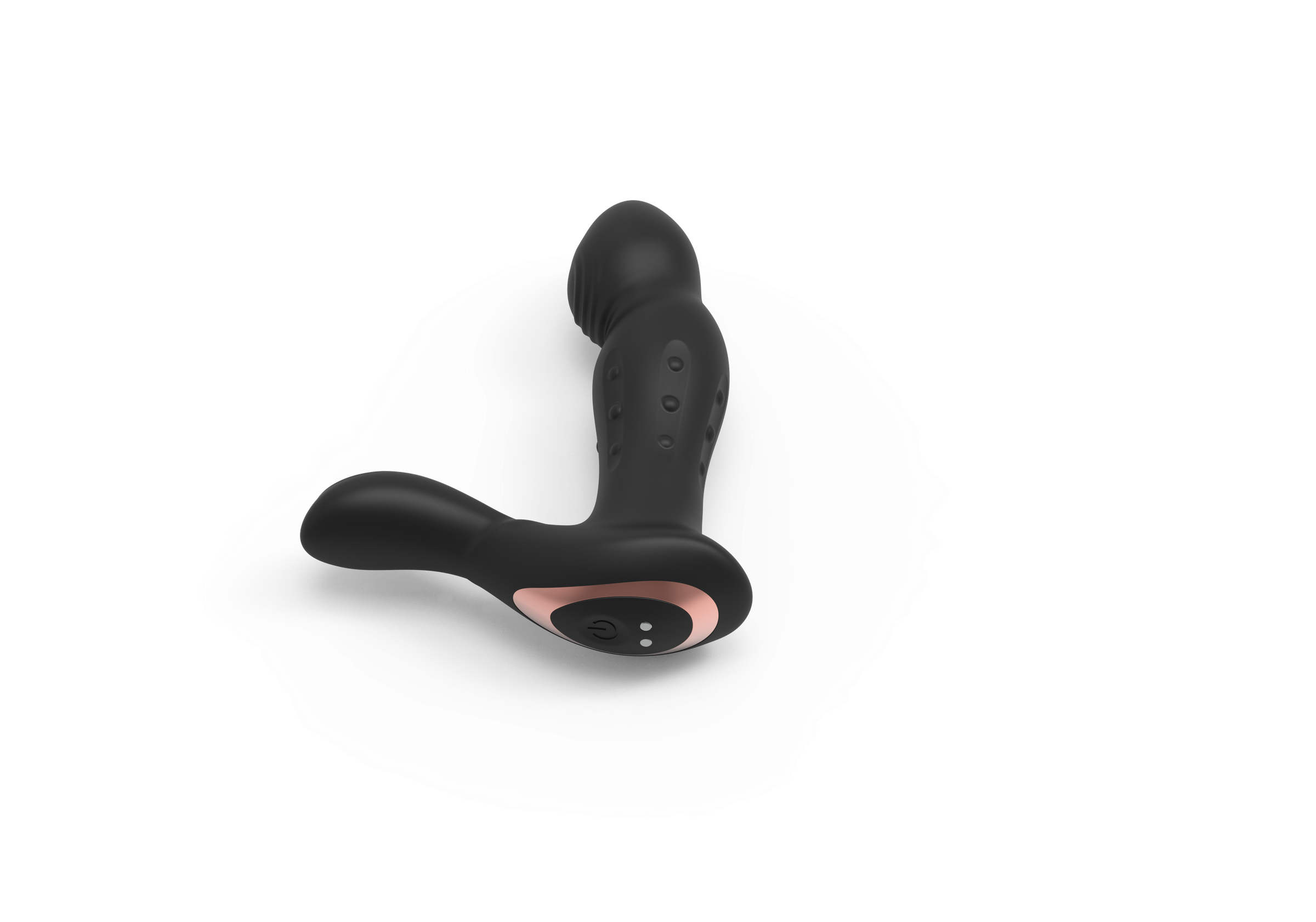
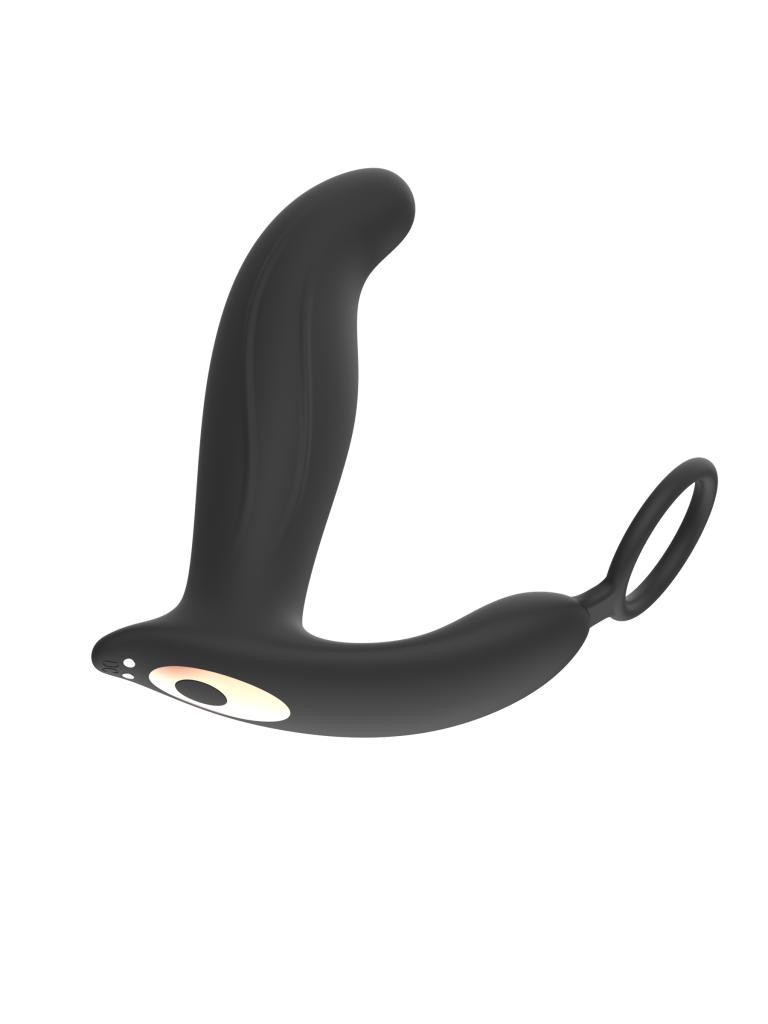
The prostate massager collection shows how varied the modern shapes have become. The Thrusting Prostate Massager with Nubbed Shaft and Prostate Vibrator with Built-In Cock Ring illustrate different approaches to movement and external contact. Their product images are an introduction to the designs, not a substitute for the enclosed use instructions. Confirm intended anal use and safe retention for the exact device before use.
The more interesting ending
The early medical papers are a revealing read even before one opens them. Their titles place prostate massage plainly in professional journals in 1905 and 1919. Contrast that with how difficult it can still be for someone to raise a question about anal pleasure without worrying about the reaction. A subject can be medically visible and socially awkward at the same time. That tension runs through much of the gland’s modern history.
It is worth resisting a second, equally easy story: that contemporary sexual wellness has solved every old embarrassment. Euphemisms remain common. So do sweeping promises about what a device will do or what a certain sensation supposedly means. Better language helps, but it does not replace evidence or consent. The practical advance is the freedom to ask an ordinary question about anatomy and receive an ordinary, accurate answer.
If you are researching for yourself, look for clear information about intended use and removal before the seduction of a moving product image takes over. If you are researching because of a symptom, use a medical source first. Those two paths can both begin with curiosity, but they lead to different kinds of help. Keeping them distinct is a courtesy to your body.
The prostate’s story is not a march from ignorance to one universal answer. It is a history of medicine revising its claims and people finding better language for their bodies. You can take the curiosity seriously without taking the old myths seriously. That might be the most useful evolution of all.