An animal with two ears became one of the most recognisable shapes in sexual-wellness design. The rabbit vibrator looks whimsical enough to sit in a novelty shop, yet its place in popular culture tells a serious story about who gets to talk openly about pleasure. Its rise involved Japanese product design, censorship, changing understandings of anatomy and a 1998 television episode that gave a toy a bigger supporting role than some human characters.
Why a rabbit?
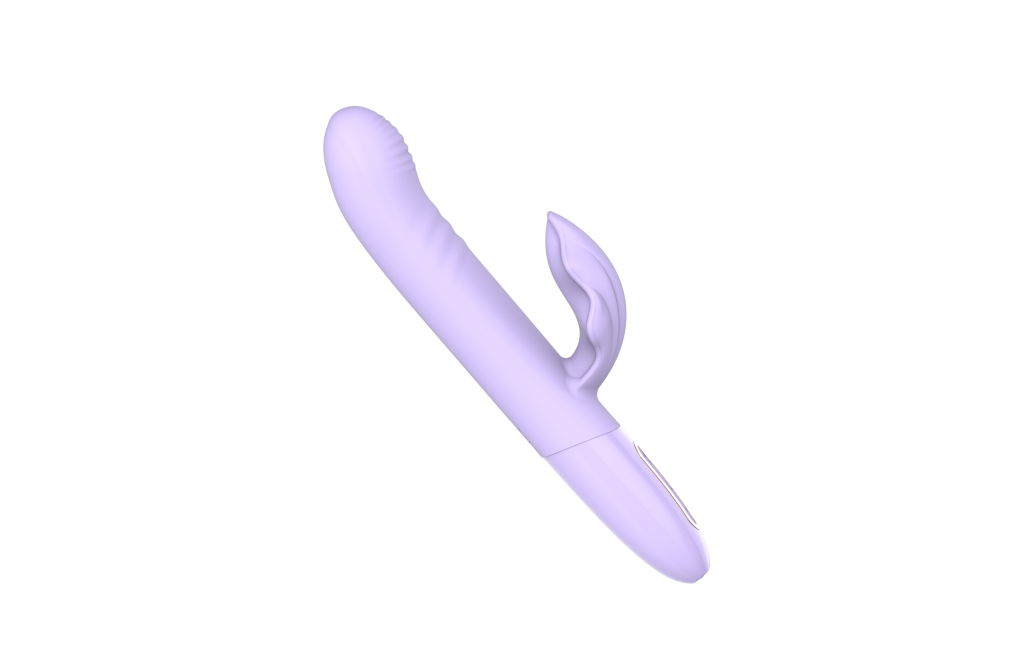
The Science Museum Group’s collection traces the rabbit style to Vibratex designs developed in Japan in the 1980s. Bright colours and animal shapes helped products avoid too close a resemblance to human anatomy amid local obscenity restrictions. Several animal designs existed; the rabbit proved remarkably good at escaping the menagerie. Its “ears” also supplied a useful external contact point. A design born partly from the need to look less explicit ended up making dual stimulation instantly recognisable.
The classic arrangement has an insertable shaft and a smaller arm that rests externally near the clitoris. The concept sounds obvious now, but it challenged an older habit of treating vaginal penetration as the whole story. The clitoris is more than the small external glans. In 1998, anatomist Helen O’Connell and colleagues published research on its relationship to surrounding anatomy; subsequent imaging added further detail. The rabbit’s popularity did not cause that research, but the two developments belong to the same broader shift toward taking external pleasure seriously.
Television gave it a plot line
In the 1998 Sex and the City episode “The Turtle and the Hare”, Charlotte encounters a rabbit vibrator and her friends react with theatrical concern. The joke works because the toy was still unusual enough for prime-time shock value. The scene also put a conversation about self-pleasure into an ordinary friendship story. It is impossible to measure the episode’s precise effect on sales from that scene alone, but it is fair to call it a pop-cultural milestone. The rabbit had made the leap from an object whispered about to one audiences could recognise on sight.
The episode’s “intervention” is not advice. A vibrator does not make someone incapable of friendship or intimacy. That comic exaggeration is part of what dates the scene. Today the more interesting question is why a woman’s enjoyment was presented as a crisis worthy of a living-room summit. The toy got a punchline; the culture supplied the awkwardness.
A familiar silhouette, many different ideas
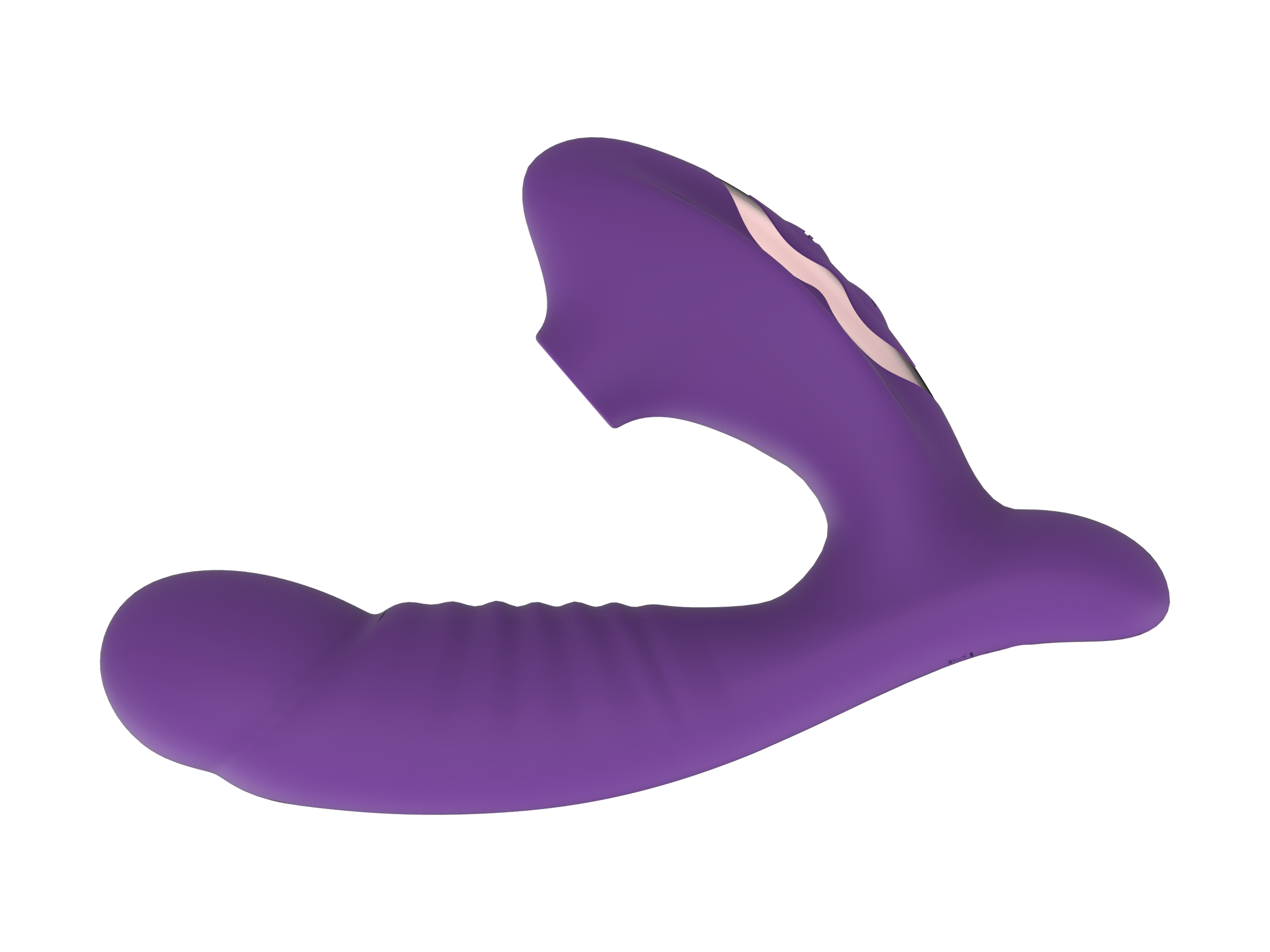
The original visual formula has since become a category, not a single mechanism. Some rabbits use a split vibrating arm; others place a suction-style head outside. Some add movement inside. Rechargeable batteries and softer surfaces changed the experience of handling them. Those design changes can be useful, but there is no prize for accumulating functions. A rabbit with twelve settings that does not sit comfortably is simply an elaborate reminder that bodies have different proportions.
That is the least glamorous and most important fact about dual stimulation: both contact points have to work together for the person using it. The external arm may land too high, too low or at an angle that needs adjustment. An “anatomical” shape is a proposal, not a universal fit. What feels good to one person may feel fussy to another. Some prefer broad vibration outside, some prefer more focused contact, and some would rather use two separate devices.
Exploring today’s options
The rabbit vibrator collection shows how far the category has moved from one pair of ears. The Rechargeable Rabbit Vibrator with Ridged Tip keeps a familiar split-arm approach, while the Ribbed Rabbit Vibrator with Clitoral Suction changes the external sensation. Those are examples of design choices, not a contest for the longest feature list. Start with what kind of contact sounds appealing and whether the shape looks comfortable to hold and position.
A small creature with a large legacy
There is a museum-worthy punchline to all this. The Science Museum holds a 2008 Rampant Rabbit in its collection, alongside the kinds of historic medical instruments usually associated with more solemn display cases. Its curators note that Ann Summers introduced its version in the late 1990s and launched a website in 1999. The retailer’s reported first-year online rabbit sales exceeded one million. That figure belongs to the museum’s account of one retailer, not to every rabbit sold everywhere, but it captures how quickly a once-niche shape became ordinary shopping.
The online store mattered as much as the television moment. A person who was curious but not ready to walk into a shop could browse privately, compare designs and ask questions without having to maintain a brave face at a counter. The internet did not invent curiosity; it changed the social cost of acting on it. That is an easily overlooked part of the rabbit’s rise.
There is another misconception worth leaving behind: that “dual stimulation” means every user must want both sensations at once. Some people like the external arm but not the insertable part; others enjoy the shape only after adjusting the angle. A product can be inventive without being a universal solution. The rabbit became an icon partly because it made a design possibility visible, not because it solved everybody’s anatomy.
The rabbit is funny-looking. That is part of its charm. But its staying power comes from a sharper idea: pleasure is not one-size-fits-all, and the external part of the story deserves attention. An unlikely animal shape helped make that idea visible. Few rabbits, fictional or otherwise, can claim quite so much cultural work.