Imagine handing somebody a small remote control across a room. Now imagine sending them an invitation through an app from another city. Both gestures can change a vibrator’s setting, but they belong to different generations of technology and different kinds of evening. The story of connected intimacy runs from simple nearby wireless control to smartphones, cloud services and the unromantic question of whether the Bluetooth pairing screen has decided to cooperate.
A button leaves the handle
A physical remote offered an appealingly simple idea: control a device without reaching for it. Nearby wireless controls brought an element of play to wearable designs and made it easier to adjust a setting discreetly. They also let a partner take a turn with the controls. The magic was social as much as technical. A small plastic handset turned one person’s private setting into an invitation to negotiate who was driving.
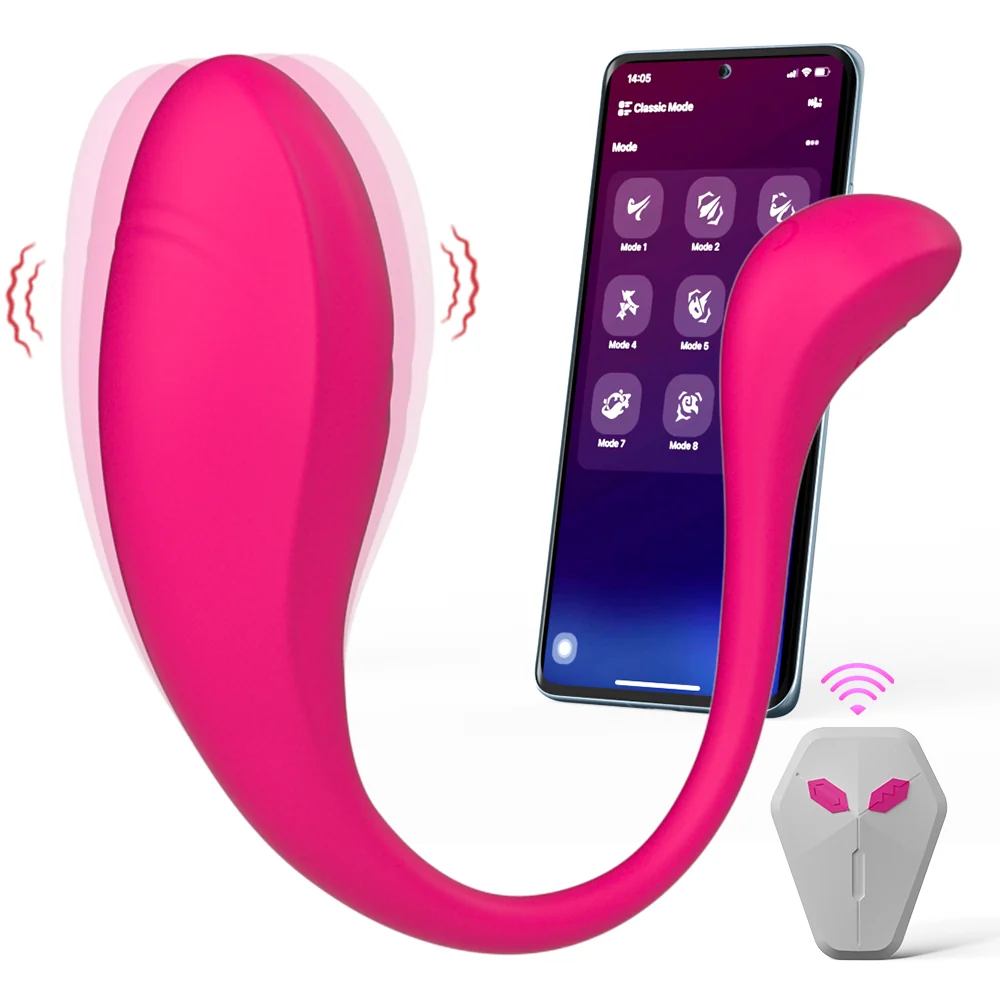
Early remotes and today’s phones should not be lumped together. A handheld controller communicates over a limited local connection. It does not automatically connect through the internet. Smartphone control usually starts with a local phone-to-device link, often Bluetooth. An app may then offer internet-based partner features, but only if the particular product and service support them. A phone icon on a box is not a passport to control from anywhere.
The smartphone changes the map
One documented milestone came in 2014, when We-Vibe introduced its 4 Plus with app-based control and the ability to share control across distance. The point was not simply to replace one button with a touchscreen. The internet let a partner who was absent participate in real time. For people living apart, that sits alongside texts, calls and video as another way of saying “I am here.” It cannot replace a relationship, but it can add a playful channel to one.
The idea has cousins outside sexual wellness. In a 2022 field study, 17 geographically separated couples used connected bracelets to exchange squeeze-like touch signals for two weeks. The researchers reported improved feelings of social connectedness, though not reduced longing for physical touch. The bracelets were not vibrators. Their relevance is the broader desire to make distance feel less abstract. Sometimes a tiny signal carries more meaning than another paragraph of text.
Connected products have also made room for patterns, playlists and remote invitations. Such options can be fun; they can also produce a comic scene familiar to anyone who has tried to pair headphones while being watched. App permissions, operating-system updates, a drained battery and a phone placed just beyond radio range have impeccable timing. Testing the setup beforehand is a better mood-setting technique than assuming technology will rise to the occasion.
Privacy belongs in the conversation
An internet-linked intimate device can involve an account, a phone, a manufacturer’s service and sensitive usage data. The U.S. Federal Trade Commission has cited a sex-toy maker’s tracking without consent as an example of problematic connected-device practice. That historical example does not establish that every current product behaves the same way. It does establish why privacy questions are reasonable, not prudish.
Before using an app, check what data it requests, whether an account is required, who can be invited to control the device and how to remove access. Keep the app and phone updated. Discuss when a partner may use the connection, and make sure either person can stop. A digital invitation should remain an invitation, not a standing permission slip.
Exploring today’s options
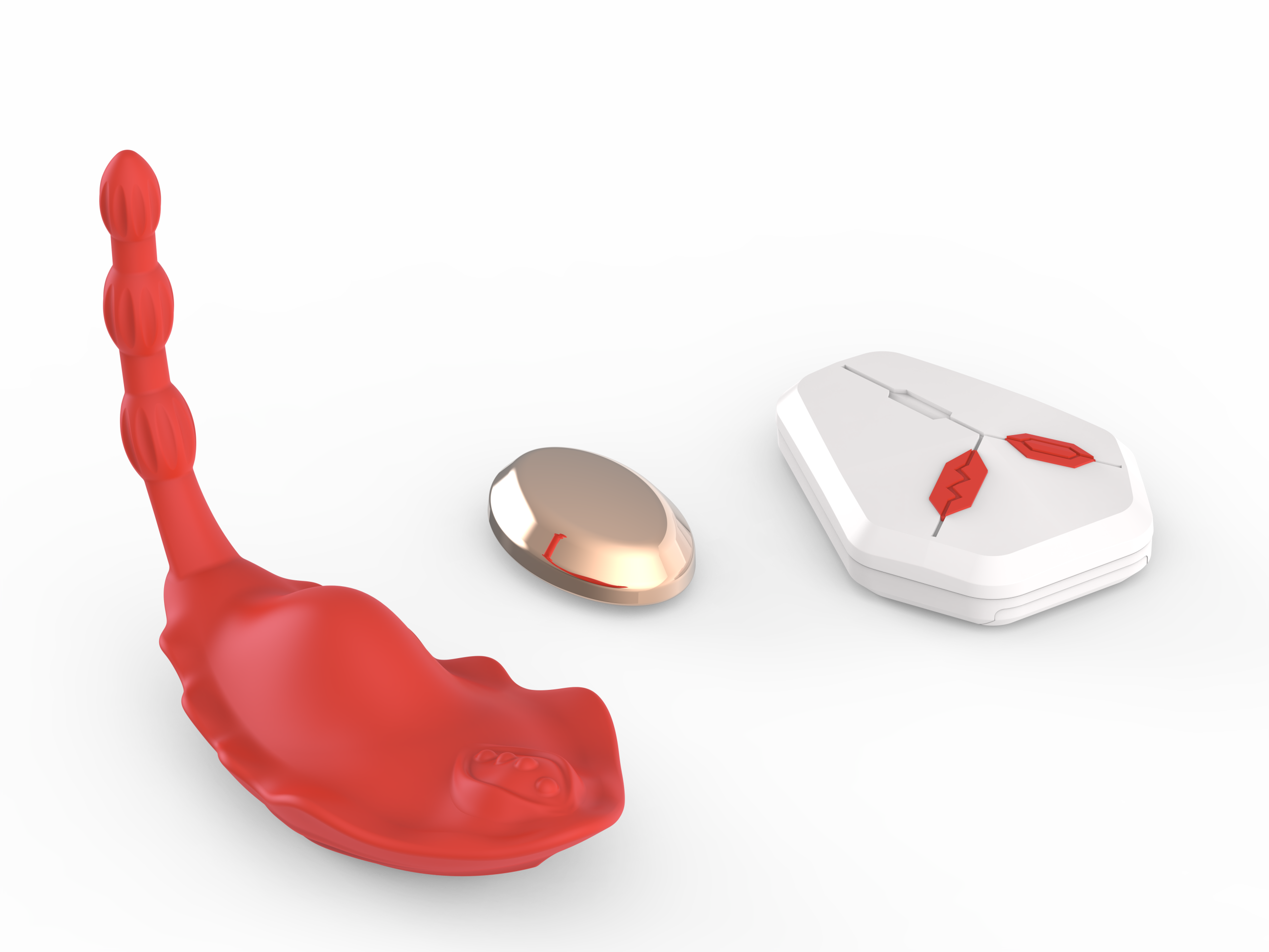
The remote-control collection includes formats that keep a handheld controller, use an app or combine the two. The Wearable Panty Vibrator with App & Magnetic Clip has a documented physical remote and app option. The App-Controlled Wearable Vibrator with Long Tail has documented partner control between cities. Check the exact product’s current app and connection instructions before relying on a particular long-distance feature.
Where might it go next?
One wonderfully odd detour in this history sits in a museum catalogue: the Science Museum Group holds an “iGasm” vibrator designed for use with an iPod or MP3 player. The museum records that Ann Summers launched it in 2007 and that Apple sent a cease-and-desist letter over advertising that resembled its own silhouette campaign. A vibrator that can follow your playlist is a very specific kind of innovation; a trademark dispute is an even more specific mood killer. The episode belongs to an era when attaching a device to a music player felt like the height of connected living. It is a reminder that “smart” is a moving target. Today’s phone app will eventually look as period-specific as a 30-pin connector. The lasting question is whether the connection adds something people actually want.
The difference between local and distant control also has a social consequence. A handheld remote generally makes the shared space obvious: the person with the remote is nearby. An internet invitation can arrive while one person is at work, travelling or simply busy. That makes boundaries more important. Agreeing to try connected control once is not the same as agreeing to be reachable at every hour. A good app should make access easy to grant and easy to withdraw; a good partner should understand that without a software tutorial.
Privacy is part of the same story. A device used locally may leave very little digital trace. A connected service can create an account relationship that outlasts the moment. Reading the privacy policy is hardly seductive prose, but checking data collection, deletion and partner permissions is a sensible price for the convenience of distance.
Smaller devices, better battery life and more reliable connections are plausible directions. Privacy controls should improve alongside them. But the most useful innovation may remain wonderfully low-tech: two people agreeing on what sounds fun, what does not and how to call a halt. A remote can make distance smaller. It cannot do the talking for you.