Posted on

Wand Vibrators: From Massage Equipment to Cultural Icon

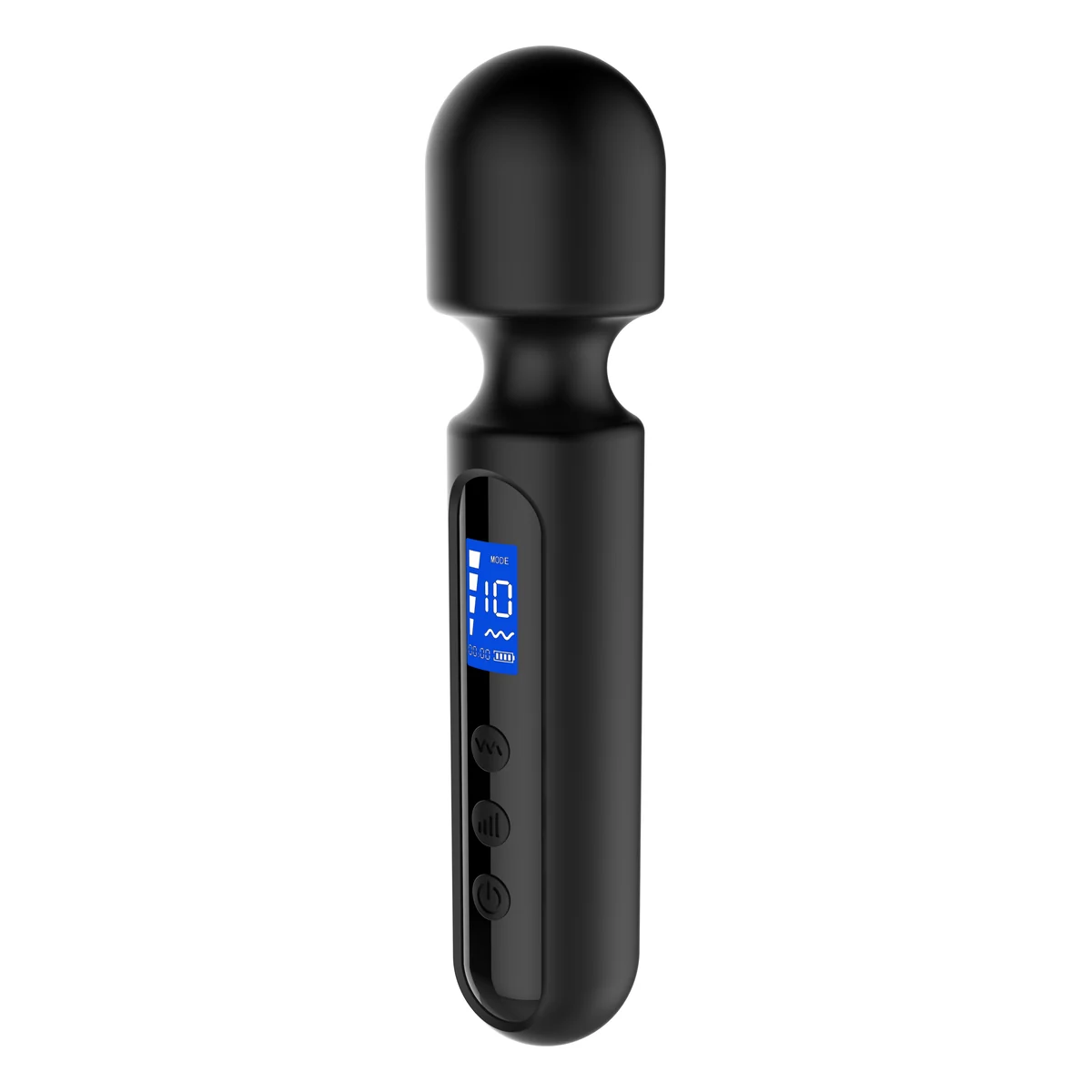
Front angled view of the black small display wand vibrator with blue display

Before the wand vibrator became a sexual-wellness icon, it looked like the sort of appliance that might be stored beside a heating pad. A handle, a rounded head, an electric cord: the design offered no knowing wink. That plainness helped it travel between worlds. The wand’s history takes in massage equipment, changing public language about women’s pleasure and a persistent myth about Victorian medicine that deserves a polite retirement.
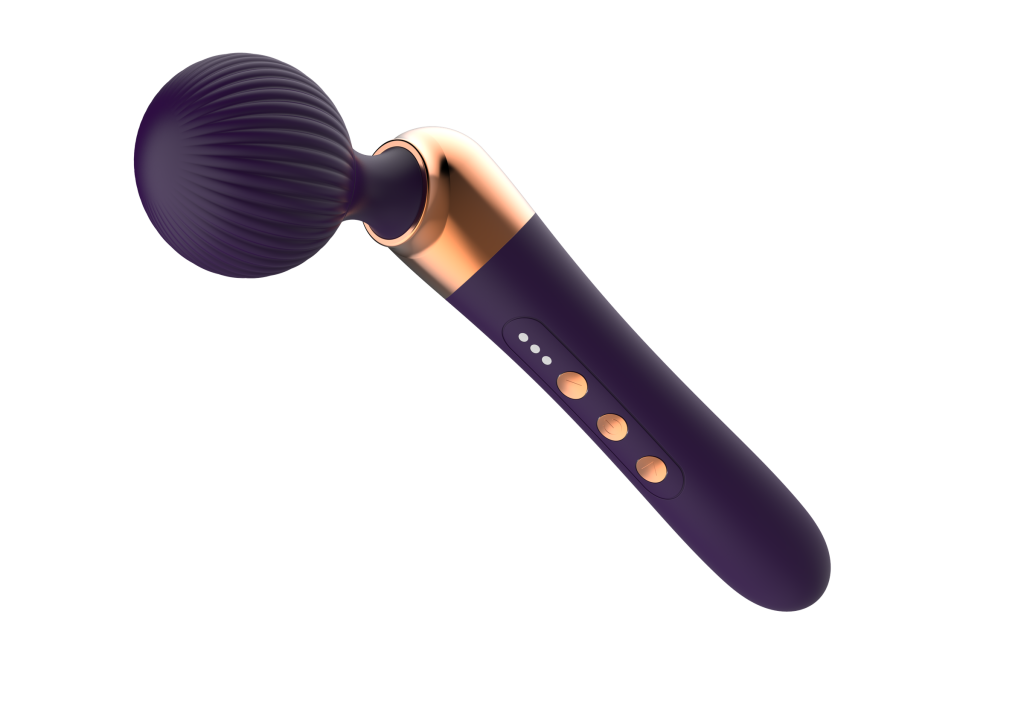
A contemporary wand head detail, illustrating modern design.

First came the electric massage age

Mechanical massage devices were sold for an assortment of health complaints in the late nineteenth and early twentieth centuries. They belonged to a period fascinated by what electricity might do for the body. It is tempting to turn every old massager into a secret sex toy, but historical evidence does not support the tidy tale that Victorian doctors routinely used vibrators to bring women with “hysteria” to orgasm. The Wellcome Collection’s historical review explains how that popular claim outran its sources. Early devices certainly existed; their documented medical marketing should not be rewritten as a single clandestine origin story.

What people later did with massagers is another question. Consumers have always been capable of finding uses beyond a catalogue’s carefully worded promises. The wand’s real cultural story is not a hidden Victorian treatment but a more recent change in who could say what an appliance was for.

The Magic Wand’s unlikely second career

According to its current distributor’s history, the device known as the Hitachi Magic Wand appeared in 1968. Its broad, flexible head and long handle were designed for body massage. The simple, recognisable silhouette endured even as the product’s public identity changed. The brand later became Magic Wand, while “Hitachi Magic Wand” remained part of the story people told about it. Precise branding dates are sometimes presented inconsistently, so the safest timeline is the manufacturer’s documented 1968 introduction followed by later rebranding.

By the 1970s, feminist sexual education was making more room for direct conversation about self-pleasure. Sex educator Betty Dodson became an important figure in the wand’s second career. A historical study of her teaching describes her early-1970s group workshops and role in repopularising vibrators; an account of the Magic Wand’s history places the device in those workshops. That is a better documented route from massage counter to sexual-wellness icon than the Victorian doctor legend. The wand became associated with direct discussion of pleasure because broad external stimulation was straightforward to explain and use. Its large head made it different from a small, pinpoint device: the sensation was spread over an area rather than concentrated at one spot. The distinction sounds modest, yet it explains why people can have strong preferences between two devices that both technically vibrate. A paint roller and a fine brush both apply colour; you would not choose between them by counting bristles.

The wand also escaped the bedroom. It is still sold as a personal massager, and many people encounter one first as an aid for shoulders or backs. That double life gave it cultural cover in more reserved periods and helped make the form less intimidating. A wand can be discussed without pretending everyone uses it in exactly the same way.

From plug socket to travel bag

Early full-size electric wands depended on wall power. The cord made sense for a household massager but placed obvious limits on portability. Modern versions include rechargeable and compact designs, and Magic Wand’s own current range includes both cordless and mini models. Portability changed where a wand could be kept and how easily it could be positioned. It did not change the underlying appeal of a head that covers a relatively broad area.

Contemporary wands vary in handle length, head texture, weight and control layout. A long handle can help with reach; a small one can be easier to store. A textured head changes the surface contact. None of those details makes a device universally “stronger” in any meaningful sensory sense. Marketing power claims often skip the question that matters: whether the sensation, angle and grip feel comfortable to the person holding it.

The clitoris is not limited to its visible glans. Anatomical research using MRI shows a larger erectile structure around adjacent tissues. That does not mean a wand reaches some magical hidden target. It does help explain why broad external contact can be enjoyable without a pinpoint approach or penetration. The science is more interesting than the old idea that there is one correct route to pleasure.

Exploring today’s options

The wand vibrator collection includes smaller and larger formats. The Mini Wand Vibrator with Digital Display represents the compact direction, while the Ribbed Ball-Head Wand Massager illustrates how head texture can change contact. Those photographs show contemporary design, not pieces of the 1968 archive.

Why the shape survives

The Science Museum’s collection includes a German-made Veedee massager whose box, the museum notes, suggested there was almost nothing it could not cure. That is a delightful relic of electric-age optimism and a reminder to be wary of sweeping claims. A machine can make a sensation; it cannot be all things to all bodies. The vocabulary has changed from therapeutic wonder to “ultimate” pleasure, but the advertising temptation is familiar.

The wand’s other famous origin story needs similar care. The tale of doctors discreetly treating “hysteria” with vibrators is repeated so often that it can sound like a documented standard practice. The Wellcome Collection review argues that the evidence does not support that neat version. It is possible to acknowledge both the genuine history of mechanical massage and the later sexual uses of massage devices without inventing a continuous secret tradition between them.

This distinction makes the wand more, not less, interesting. It was a conspicuously ordinary household shape that became part of a public argument about pleasure. Unlike many gadgets that try to look futuristic, it kept looking like itself. That visual continuity lets a 1968 device and a compact rechargeable descendant appear in the same family portrait, even though the way people discuss them has changed dramatically.

The wand has lasted because its basic idea is legible. A broad head, a handle and an invitation to explore what pressure and placement feel comfortable: there is little mystery in the mechanism. The real surprise is how much culture can gather around an appliance that looks, at first glance, so resolutely ordinary.
Posted on

Couples, Connection and the Changing World of Shared Pleasure

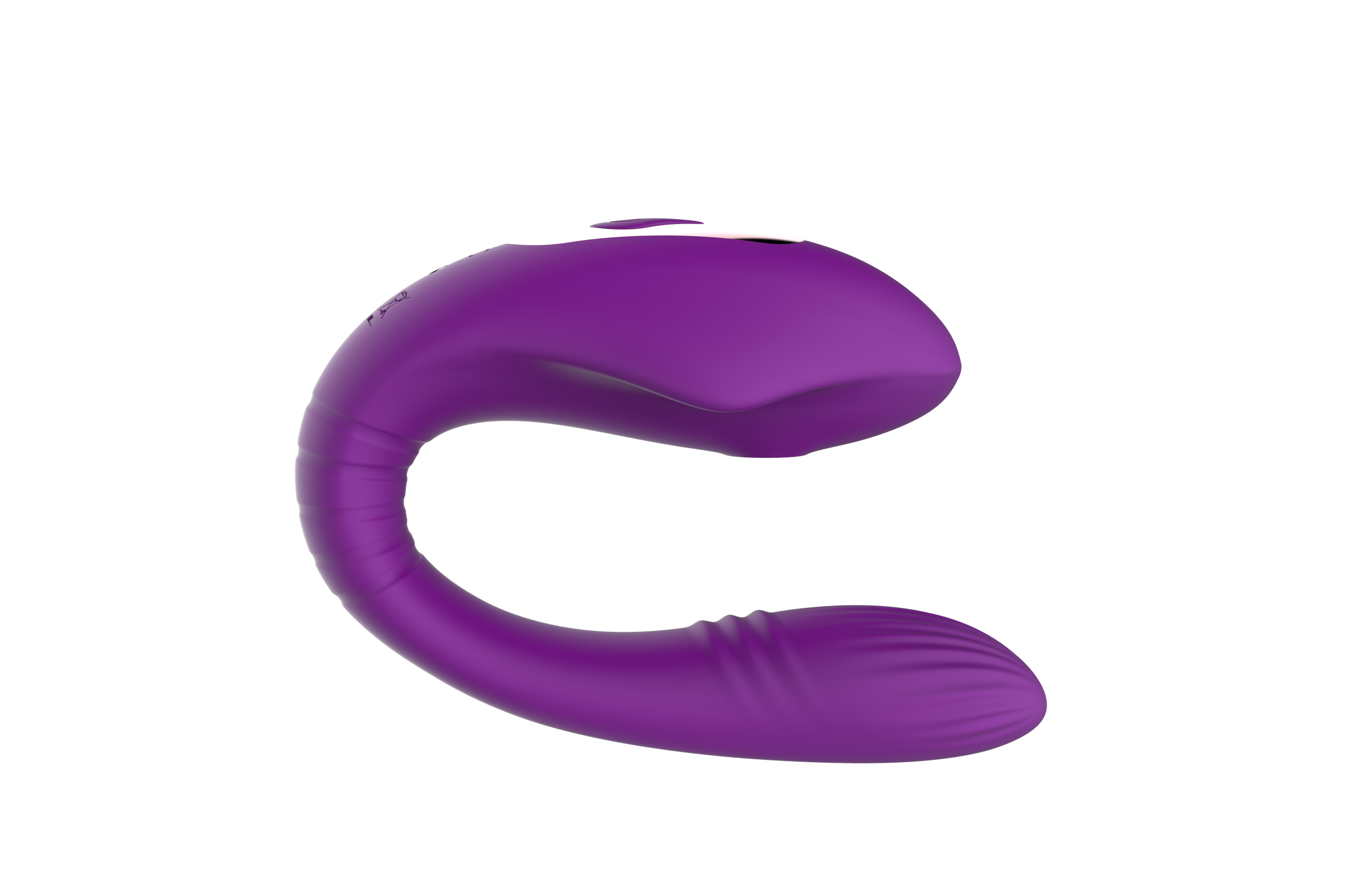
Side view of the purple wearable G-spot and clitoral vibrator

The phrase “couples vibrator” sounds as though a device comes with a relationship upgrade already installed. Anyone who has ever tried to agree on dinner knows better. Shared pleasure is shaped less by a gadget than by the conversations around it: what each person likes, what feels awkward, who gets to choose and when everyone would rather stop and laugh. The best part of the history is how those conversations have slowly become easier to have aloud.

A contemporary wearable design for shared control.

From private subject to shared vocabulary

For much of the twentieth century, public talk about sex often treated pleasure as either a punchline or a private problem. Sexual-wellness products were sold for individuals, while couples were expected to understand each other without much explanation. That expectation can be romantic in a film and spectacularly unhelpful in a real bedroom. Later sexual-health education and a more visible pleasure market offered people words for preferences they might previously have struggled to name.

The change is not a claim that everyone now communicates brilliantly. It is an opportunity to treat curiosity as normal. Asking “Would you like to try this?” is a better opening than revealing a surprise gadget at the least convenient moment. A partner’s hesitation is information, not an objection to overcome. A shared experience works only if it is genuinely shared.

Relationship research gives that common-sense point some depth. A meta-analysis of couples’ sexual communication found associations between sexual communication and relationship and sexual satisfaction. An earlier study of 142 couples also reported links between greater sexual communication and more positive outcomes. These studies do not prove that one perfect conversation guarantees a better relationship. They do suggest that saying what you want matters more than hoping a partner will mind-read with theatrical accuracy.

Products began to acknowledge the second person

One visible commercial shift came with products explicitly designed for couples. We-Vibe’s company history dates its original couples vibrator to 2008 and describes its founder’s question about a design that could sit between partners. Later models added remote and app features. The milestone is useful because it shows a design brief changing: instead of assuming one user and one hand, manufacturers considered two people, different positions and shared control.

That shift did not create a universal “couples” shape. Some people prefer an external device used together. Others like a wearable that one person controls and the other wears. Some want a product involved during sex; others prefer to keep devices and intercourse separate. The label on the box does not tell a couple which arrangement will be comfortable. It certainly does not prove that a particular wearable is suitable during intercourse. The people using it get to make their own definition of shared pleasure.

Distance changes the ritual, not the need to ask

For partners in different cities, phones and connected devices add another way to be playful together. Research on long-distance relationships has found that responsive texting was associated with greater relationship satisfaction among long-distance participants in one study. A separate study of connected touch bracelets found increased feelings of connection over a short trial, without eliminating the longing for actual touch. Neither study is a verdict on connected sex toys. Both remind us that the meaning of a signal depends on the relationship around it.

It can be helpful to agree on an invitation, a time window and an easy way to stop before sharing control. A message that says “now?” can be sweeter than an unexpected buzz. Consent is an ongoing exchange, especially when someone can send a signal from another place. The right to change one’s mind travels just as far as the app connection.

Leave room for the ridiculous

Shared intimacy often comes with odd angles, unfamiliar buttons and the possibility that one person finds a sound hilarious. Humour is not evidence that the moment has failed. It can be evidence that both people feel comfortable enough to be themselves. There is no requirement to perform sophistication while learning something new together.

Exploring today’s options

The couples vibrator collection shows different ways to share control. The Wearable Panty Vibrator with App & Magnetic Clip offers an external wearable approach, while the App-Controlled Wearable Vibrator with Long Tail offers a different shape and documented long-distance control. Choose by comfort and the kind of interaction both people want. Follow each exact product’s use instructions; do not assume a wearable is appropriate for intercourse from its name or photograph.

The shared part is the point

It is easy to mistake “shared” for “simultaneous.” Some couples enjoy the same moment together; others enjoy taking turns, talking afterward or simply giving each other permission to be curious. A product can be part of a relationship without becoming its centrepiece. The idea that every new experience must be a performance puts pressure on the very thing people hoped would feel playful.

This is where the cultural change becomes personal. Older scripts often assigned one partner the role of expert and the other the role of audience. A more generous approach lets both people be beginners. They can say what they know, admit what they do not and decide together whether an experiment is worth repeating. A failed attempt to find a comfortable angle can become a useful piece of information, or a funny story that belongs only to them. Neither outcome needs a review score.

Comfort also includes timing and context. A person may be interested in an idea in the abstract and not interested tonight. Someone may enjoy a device alone and prefer a different kind of closeness with a partner. Those preferences are not contradictions to be fixed. They are boundaries to be heard. The most durable invitation leaves room for a yes, a no and a “maybe another day.”

The most durable couples technology may be a question asked without pressure and an answer heard without defensiveness. Devices can add novelty, distance can inspire creativity and laughter can rescue a clumsy moment. None of those requires a perfect script. Shared pleasure is a conversation that two people are allowed to keep revising.

Posted on

Kegel Exercises: From Medical Discovery to Modern Technology

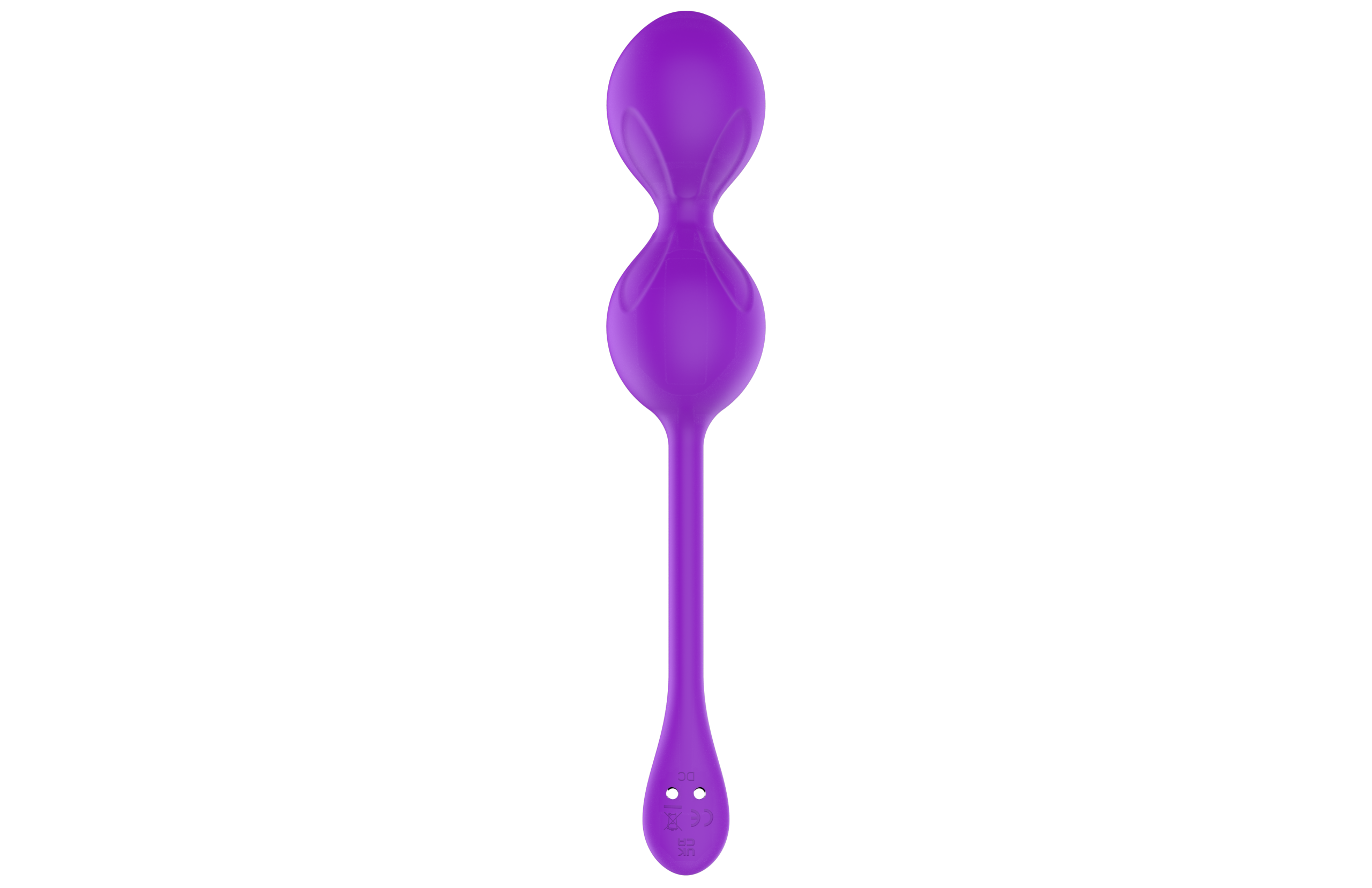
Front view of the purple app-controlled vibrating Kegel balls

The pelvic floor has acquired the public profile of a gym membership. We are told to “work it,” buy equipment for it and count repetitions. Yet the muscles themselves are more interesting than a fitness slogan. They support pelvic organs, help with bladder and bowel control and participate in sexual function. They also need to relax. That last point tends to get lost when every discussion turns into a challenge to squeeze harder.

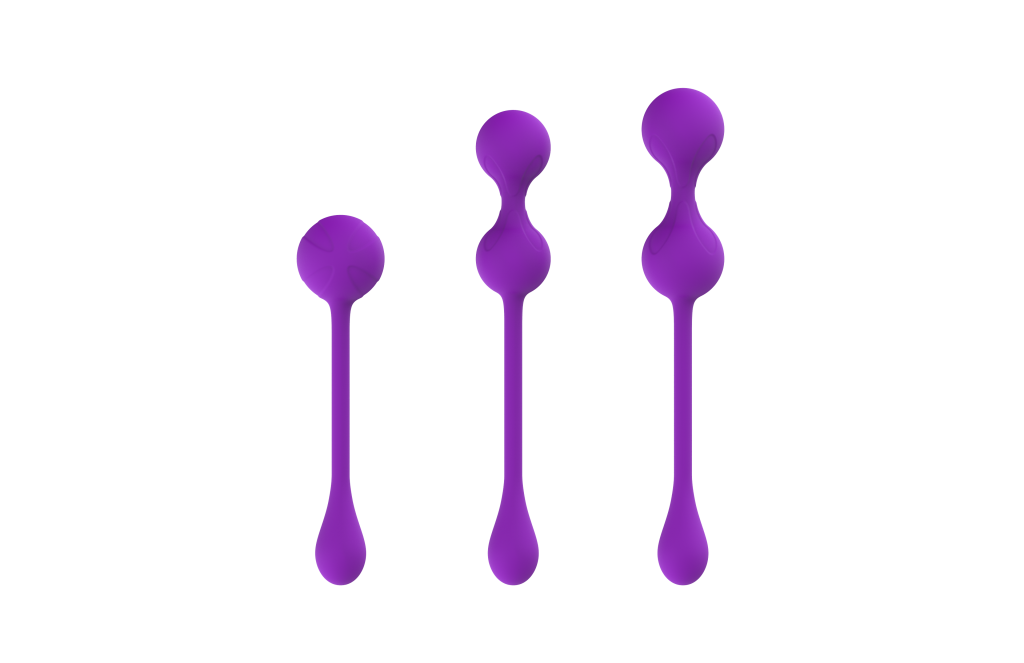
A contemporary pelvic-floor training set; follow the exact model instructions.

The doctor behind the familiar name

Arnold Kegel did not discover that the pelvis contained muscles. His contribution was to make systematic pelvic-floor exercise a documented clinical practice. In 1948 he published “Progressive resistance exercise in the functional restoration of the perineal muscles”. Another 1948 paper described the perineometer, a device for measuring muscle activity and helping patients identify a contraction. In other words, the idea of feedback was present near the beginning, long before an app put a cheerful graph on a phone screen.

The original work arose from clinical concerns such as urinary leakage and postpartum changes. Over subsequent decades, pelvic-floor muscle training became part of physiotherapy and continence care. It also entered the popular imagination as a shortcut to better sex. Those conversations are related, but a medical intervention and a promise of instant transformation are not the same thing.

There is a much older history of bodily awareness and exercise, but the evidence does not support attributing a modern Kegel routine to a single ancient culture. It is more honest to say that Kegel developed a specific clinical method in the twentieth century than to attach a seductive but unverified ancient origin story. The archive has plenty to offer without borrowing a myth.

The muscle group that must also let go

Think of the pelvic floor less as a single button and more as a hammock of muscles with several jobs. A useful contraction lifts and then releases. The Cambridge University Hospitals guidance explicitly says that relaxing after each contraction matters. The Royal United Hospitals Bath guidance explains that an overactive or tense pelvic floor can make effective contraction difficult and may be associated with pain or bladder and bowel symptoms.

That complicates the familiar “stronger is always better” story. Someone with leakage may benefit from a tailored strengthening programme. Someone with pain, difficulty relaxing or a tense pelvic floor may need a different approach. Even when exercise is appropriate, fatigue is possible. If symptoms persist or exercises cause discomfort, a pelvic-health physiotherapist can assess what is happening. A device cannot diagnose whether the right task is contraction, relaxation or something else.

The gadget arrives, again

Once you know about Kegel’s perineometer, modern connected trainers look less like a sudden invention and more like a new chapter in a long interest in feedback. Today’s devices can offer reminders, guided sessions and visual progress displays. Some use vibration or changing weights to provide a sensation to work around. The point is not that an app knows more about your body than you do. It is that a prompt can make an otherwise invisible muscle group easier to notice or a routine easier to remember.

The market also uses the label “Kegel balls” for products with very different designs. Their presence does not itself create a clinical exercise programme, and an insertable product is not necessary for everyone. The plain, no-cost exercise remains an option when appropriately recommended. For symptoms such as incontinence, pelvic pain or pain with penetration, professional advice is more valuable than a device promising universal results.

Exploring today’s options

The Kegel collection shows current consumer designs, including App-Controlled Vibrating Kegel Balls and a 4-Piece Kegel Trainer Set. They are examples of different formats, not proven substitutes for assessment or treatment. Before using an insertable device, confirm the exact model’s instructions for placement and removal; do not infer either from a photograph. The materials and care guide covers cleaning and compatibility.

A better measure of progress

Feedback technology raises a useful question: what should a progress chart actually show? A higher number can be satisfying, but pelvic-floor function involves coordination and the ability to relax. A reminder may help someone practise a clinician-recommended routine; a chart cannot tell them whether discomfort means they should keep going. The device is a tool for noticing, not a referee for the body.

There is also a quiet historical irony. Kegel’s perineometer turned an invisible contraction into something measurable, which helped patients and clinicians discuss it. Seventy years later, consumer technology still promises to make the invisible visible, now with a nicer interface. The scientific challenge has not disappeared beneath the graphics. People must still identify the right muscles, understand their symptoms and choose an appropriate plan. That is why a referral to a pelvic-health physiotherapist can be more useful than buying the most connected object in the category.

Sexual wellness deserves a place in this discussion, but it should not be reduced to a guarantee of stronger orgasms. Feeling more aware of one’s pelvic floor may matter to some people. Others are primarily concerned with leakage, pain or recovery after childbirth. Those are different goals. A good conversation with a clinician starts with the actual goal and gives relaxation the same respect as contraction.

The most useful development since 1948 may be less glamorous than a sensor. We now have a better public language for a muscle group that was easy to ignore and for the fact that function involves both effort and release. A pelvic floor is not a leaderboard. It is part of a person, and good advice begins by asking what that person needs.

Posted on

From Remote Controls to Smartphones: The Evolution of Connected Intimacy

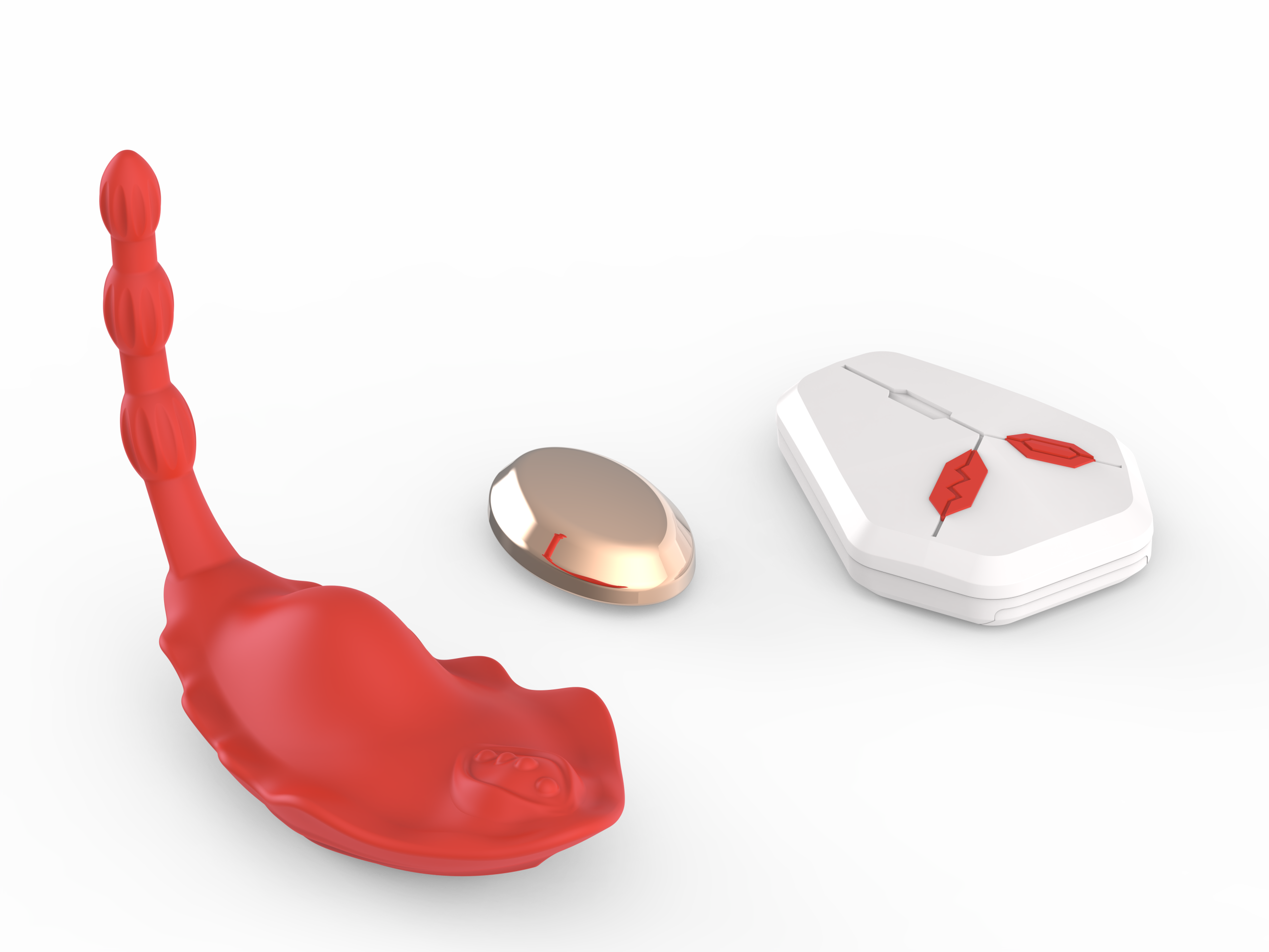
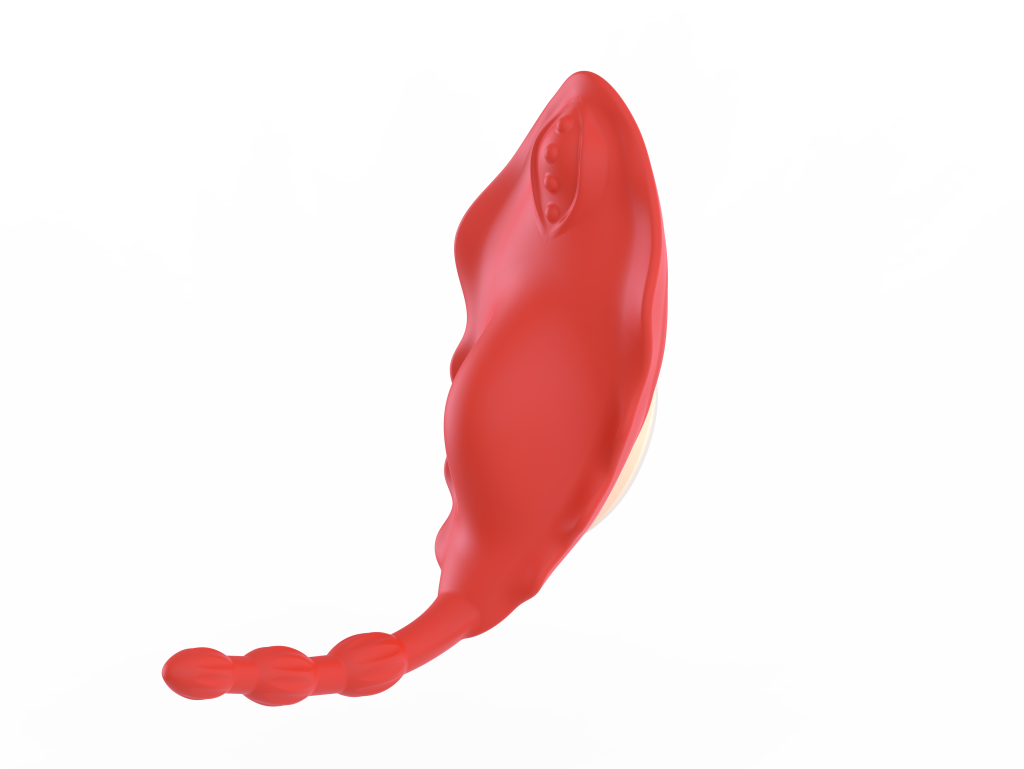
The red app and remote wearable vibrator with its remote and case

Imagine handing somebody a small remote control across a room. Now imagine sending them an invitation through an app from another city. Both gestures can change a vibrator’s setting, but they belong to different generations of technology and different kinds of evening. The story of connected intimacy runs from simple nearby wireless control to smartphones, cloud services and the unromantic question of whether the Bluetooth pairing screen has decided to cooperate.

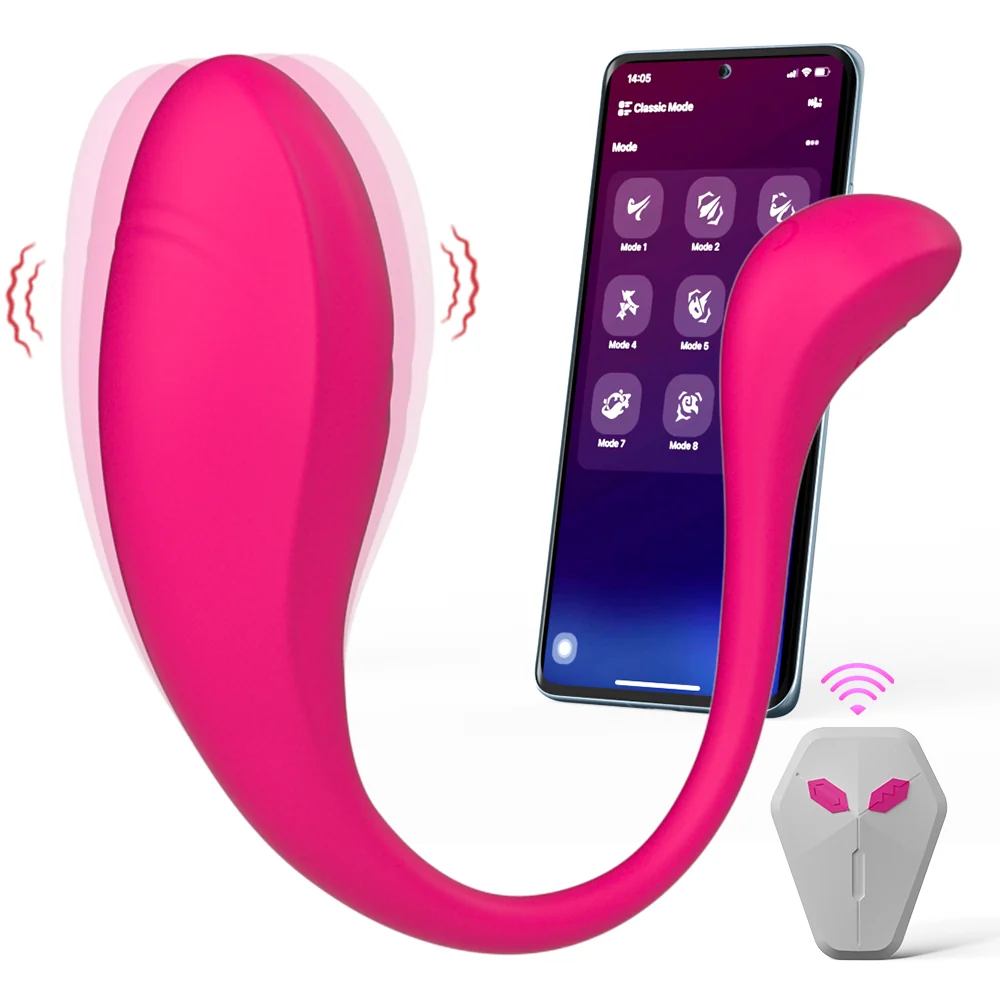
A contemporary app-controlled wearable, illustrating connected designs.

A button leaves the handle

A physical remote offered an appealingly simple idea: control a device without reaching for it. Nearby wireless controls brought an element of play to wearable designs and made it easier to adjust a setting discreetly. They also let a partner take a turn with the controls. The magic was social as much as technical. A small plastic handset turned one person’s private setting into an invitation to negotiate who was driving.

Early remotes and today’s phones should not be lumped together. A handheld controller communicates over a limited local connection. It does not automatically connect through the internet. Smartphone control usually starts with a local phone-to-device link, often Bluetooth. An app may then offer internet-based partner features, but only if the particular product and service support them. A phone icon on a box is not a passport to control from anywhere.

The smartphone changes the map

One documented milestone came in 2014, when We-Vibe introduced its 4 Plus with app-based control and the ability to share control across distance. The point was not simply to replace one button with a touchscreen. The internet let a partner who was absent participate in real time. For people living apart, that sits alongside texts, calls and video as another way of saying “I am here.” It cannot replace a relationship, but it can add a playful channel to one.

The idea has cousins outside sexual wellness. In a 2022 field study, 17 geographically separated couples used connected bracelets to exchange squeeze-like touch signals for two weeks. The researchers reported improved feelings of social connectedness, though not reduced longing for physical touch. The bracelets were not vibrators. Their relevance is the broader desire to make distance feel less abstract. Sometimes a tiny signal carries more meaning than another paragraph of text.

Connected products have also made room for patterns, playlists and remote invitations. Such options can be fun; they can also produce a comic scene familiar to anyone who has tried to pair headphones while being watched. App permissions, operating-system updates, a drained battery and a phone placed just beyond radio range have impeccable timing. Testing the setup beforehand is a better mood-setting technique than assuming technology will rise to the occasion.

Privacy belongs in the conversation

An internet-linked intimate device can involve an account, a phone, a manufacturer’s service and sensitive usage data. The U.S. Federal Trade Commission has cited a sex-toy maker’s tracking without consent as an example of problematic connected-device practice. That historical example does not establish that every current product behaves the same way. It does establish why privacy questions are reasonable, not prudish.

Before using an app, check what data it requests, whether an account is required, who can be invited to control the device and how to remove access. Keep the app and phone updated. Discuss when a partner may use the connection, and make sure either person can stop. A digital invitation should remain an invitation, not a standing permission slip.

Exploring today’s options

The remote-control collection includes formats that keep a handheld controller, use an app or combine the two. The Wearable Panty Vibrator with App & Magnetic Clip has a documented physical remote and app option. The App-Controlled Wearable Vibrator with Long Tail has documented partner control between cities. Check the exact product’s current app and connection instructions before relying on a particular long-distance feature.

Where might it go next?

One wonderfully odd detour in this history sits in a museum catalogue: the Science Museum Group holds an “iGasm” vibrator designed for use with an iPod or MP3 player. The museum records that Ann Summers launched it in 2007 and that Apple sent a cease-and-desist letter over advertising that resembled its own silhouette campaign. A vibrator that can follow your playlist is a very specific kind of innovation; a trademark dispute is an even more specific mood killer. The episode belongs to an era when attaching a device to a music player felt like the height of connected living. It is a reminder that “smart” is a moving target. Today’s phone app will eventually look as period-specific as a 30-pin connector. The lasting question is whether the connection adds something people actually want.

The difference between local and distant control also has a social consequence. A handheld remote generally makes the shared space obvious: the person with the remote is nearby. An internet invitation can arrive while one person is at work, travelling or simply busy. That makes boundaries more important. Agreeing to try connected control once is not the same as agreeing to be reachable at every hour. A good app should make access easy to grant and easy to withdraw; a good partner should understand that without a software tutorial.

Privacy is part of the same story. A device used locally may leave very little digital trace. A connected service can create an account relationship that outlasts the moment. Reading the privacy policy is hardly seductive prose, but checking data collection, deletion and partner permissions is a sensible price for the convenience of distance.

Smaller devices, better battery life and more reliable connections are plausible directions. Privacy controls should improve alongside them. But the most useful innovation may remain wonderfully low-tech: two people agreeing on what sounds fun, what does not and how to call a halt. A remote can make distance smaller. It cannot do the talking for you.

Posted on

The Rabbit Vibrator: How an Unusual Design Became an Icon

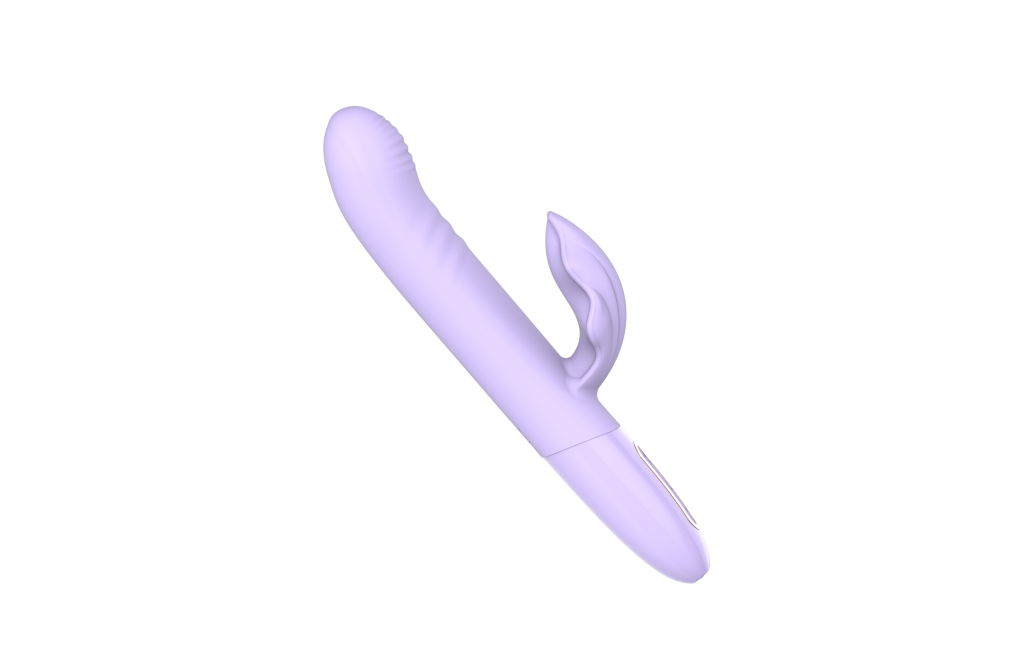
Side view of the purple rabbit vibrator with clitoral suction

An animal with two ears became one of the most recognisable shapes in sexual-wellness design. The rabbit vibrator looks whimsical enough to sit in a novelty shop, yet its place in popular culture tells a serious story about who gets to talk openly about pleasure. Its rise involved Japanese product design, censorship, changing understandings of anatomy and a 1998 television episode that gave a toy a bigger supporting role than some human characters.

A contemporary rabbit vibrator, illustrating how the design has evolved.

Why a rabbit?

The Science Museum Group’s collection traces the rabbit style to Vibratex designs developed in Japan in the 1980s. Bright colours and animal shapes helped products avoid too close a resemblance to human anatomy amid local obscenity restrictions. Several animal designs existed; the rabbit proved remarkably good at escaping the menagerie. Its “ears” also supplied a useful external contact point. A design born partly from the need to look less explicit ended up making dual stimulation instantly recognisable.

The classic arrangement has an insertable shaft and a smaller arm that rests externally near the clitoris. The concept sounds obvious now, but it challenged an older habit of treating vaginal penetration as the whole story. The clitoris is more than the small external glans. In 1998, anatomist Helen O’Connell and colleagues published research on its relationship to surrounding anatomy; subsequent imaging added further detail. The rabbit’s popularity did not cause that research, but the two developments belong to the same broader shift toward taking external pleasure seriously.

Television gave it a plot line

In the 1998 Sex and the City episode “The Turtle and the Hare”, Charlotte encounters a rabbit vibrator and her friends react with theatrical concern. The joke works because the toy was still unusual enough for prime-time shock value. The scene also put a conversation about self-pleasure into an ordinary friendship story. It is impossible to measure the episode’s precise effect on sales from that scene alone, but it is fair to call it a pop-cultural milestone. The rabbit had made the leap from an object whispered about to one audiences could recognise on sight.

The episode’s “intervention” is not advice. A vibrator does not make someone incapable of friendship or intimacy. That comic exaggeration is part of what dates the scene. Today the more interesting question is why a woman’s enjoyment was presented as a crisis worthy of a living-room summit. The toy got a punchline; the culture supplied the awkwardness.

A familiar silhouette, many different ideas

The original visual formula has since become a category, not a single mechanism. Some rabbits use a split vibrating arm; others place a suction-style head outside. Some add movement inside. Rechargeable batteries and softer surfaces changed the experience of handling them. Those design changes can be useful, but there is no prize for accumulating functions. A rabbit with twelve settings that does not sit comfortably is simply an elaborate reminder that bodies have different proportions.

That is the least glamorous and most important fact about dual stimulation: both contact points have to work together for the person using it. The external arm may land too high, too low or at an angle that needs adjustment. An “anatomical” shape is a proposal, not a universal fit. What feels good to one person may feel fussy to another. Some prefer broad vibration outside, some prefer more focused contact, and some would rather use two separate devices.

Exploring today’s options

The rabbit vibrator collection shows how far the category has moved from one pair of ears. The Rechargeable Rabbit Vibrator with Ridged Tip keeps a familiar split-arm approach, while the Ribbed Rabbit Vibrator with Clitoral Suction changes the external sensation. Those are examples of design choices, not a contest for the longest feature list. Start with what kind of contact sounds appealing and whether the shape looks comfortable to hold and position.

A small creature with a large legacy

There is a museum-worthy punchline to all this. The Science Museum holds a 2008 Rampant Rabbit in its collection, alongside the kinds of historic medical instruments usually associated with more solemn display cases. Its curators note that Ann Summers introduced its version in the late 1990s and launched a website in 1999. The retailer’s reported first-year online rabbit sales exceeded one million. That figure belongs to the museum’s account of one retailer, not to every rabbit sold everywhere, but it captures how quickly a once-niche shape became ordinary shopping.

The online store mattered as much as the television moment. A person who was curious but not ready to walk into a shop could browse privately, compare designs and ask questions without having to maintain a brave face at a counter. The internet did not invent curiosity; it changed the social cost of acting on it. That is an easily overlooked part of the rabbit’s rise.

There is another misconception worth leaving behind: that “dual stimulation” means every user must want both sensations at once. Some people like the external arm but not the insertable part; others enjoy the shape only after adjusting the angle. A product can be inventive without being a universal solution. The rabbit became an icon partly because it made a design possibility visible, not because it solved everybody’s anatomy.

The rabbit is funny-looking. That is part of its charm. But its staying power comes from a sharper idea: pleasure is not one-size-fits-all, and the external part of the story deserves attention. An unlikely animal shape helped make that idea visible. Few rabbits, fictional or otherwise, can claim quite so much cultural work.

Posted on

The History and Evolution of Prostate Massage

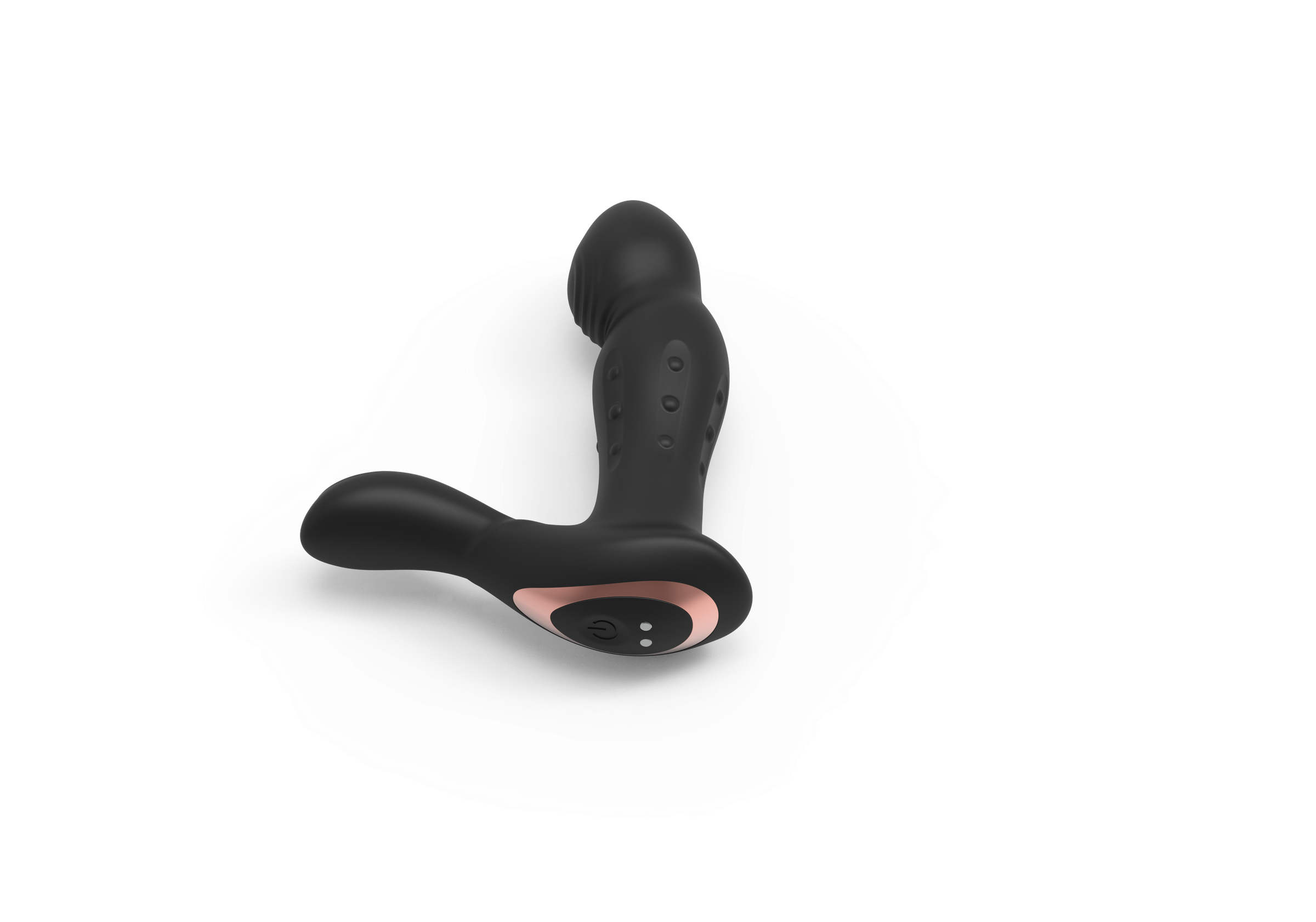
Side view of the black thrusting prostate massager

The prostate has had an unusually crowded career. It has been a medical concern, a subject of anxious euphemism and, more recently, a topic people discuss as part of pleasure. Those stories overlap, but they should not be confused. A 1905 medical paper titled “Prostatic Massage” is evidence that doctors were discussing the practice more than a century ago. It is not evidence that today’s prostate massagers are medical treatment. The history is more interesting, and less tidy, than either claim.

Contemporary prostate massager design; follow the exact model instructions before internal use.

A gland that attracted a lot of theories

The prostate sits below the bladder, surrounds part of the urethra and contributes fluid to semen. That unglamorous description from Prostate Cancer UK is a useful starting point. It explains why the gland has long interested urologists. It also explains why swelling, pain or urinary changes deserve a clinician’s attention rather than a shopping recommendation.

In the early twentieth century, prostate massage appeared in medical journals as a proposed response to prostate complaints. The 1905 paper was followed by another published in 1919. Those are real period documents, but an old treatment’s presence in the literature is not proof that it works. Medical practice has since changed. Prostate Cancer UK now says there is no strong scientific evidence for prostate massage as a prostatitis treatment. History supplies context, not a prescription.

There is a striking cultural split here. Medicine made the prostate a respectable subject provided the conversation stayed clinical. Male pleasure, particularly pleasure associated with the anus, was more likely to be met with silence or jokes. Neither response makes anatomy disappear. Curiosity about sensation says nothing by itself about somebody’s sexual orientation or masculinity. A gland is spectacularly indifferent to the labels people place on it.

How the conversation changed

The modern sexual-wellness market brought a different vocabulary: curved shapes, external contact and devices designed specifically for prostate exploration. The change was cultural as much as mechanical. Instead of treating pleasure as an embarrassing side effect of a medical procedure, people could talk about it as a legitimate interest. That does not mean every product marketed with the word “prostate” is suitable for every body, or even that a photograph tells the whole story.

The term “P-spot” is popular shorthand. It is handy in conversation, but it can imply a precise button waiting to be pressed. Bodies rarely cooperate with diagrams that neatly. The prostate lies against the front wall of the rectum, while the surrounding pelvic floor and external perineum also contribute to sensation. Some people enjoy indirect external pressure; others are interested in internal contact; others are not interested at all. There is no required experience and no guaranteed result.

What the myths get wrong

One persistent claim is that massage “cleans out” the prostate or prevents disease. Current clinical guidance does not support that promise. Another is that a more powerful motor must be more pleasurable. The latter overlooks comfort, pace and individual preference. A third myth treats prostate exploration as a test of identity. It is no more a test of identity than enjoying a shoulder massage, although the conversation around it has carried considerably more baggage.

It also helps to separate examination from recreation. A clinician may examine the gland through the rectal wall to assess a health concern. A consumer device is designed for pleasure. If you have prostate pain, bleeding, an active infection or unexplained symptoms, speak with a qualified clinician before considering internal stimulation. Nobody should try to treat prostatitis or a urinary problem with a vibrator.

The sensible part of the story

For anal use, the essentials are a design intended for that use, a reliable way to prevent the device slipping entirely inside, clear removal instructions, suitable lubricant and cleaning. The beginner guidance and materials and care guide explain those basics. Never infer safe retention from a product name or a flattering camera angle. If the exact model’s intended placement and removal method cannot be confirmed from its instructions, do not use it internally.

Exploring today’s options

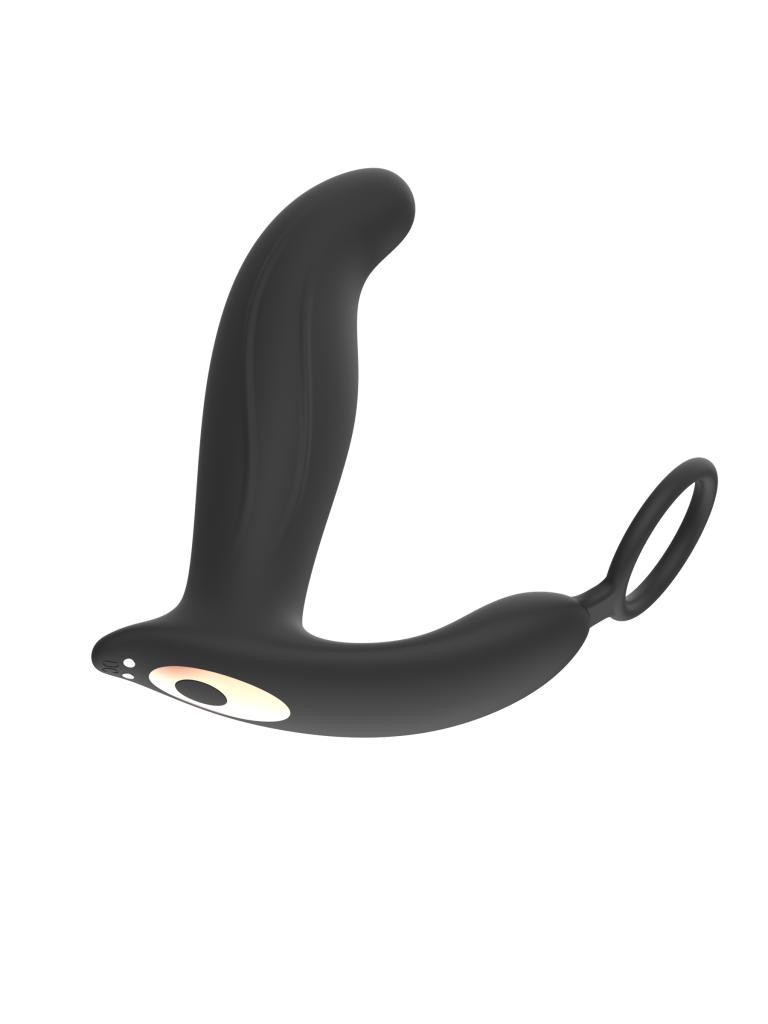
The prostate massager collection shows how varied the modern shapes have become. The Thrusting Prostate Massager with Nubbed Shaft and Prostate Vibrator with Built-In Cock Ring illustrate different approaches to movement and external contact. Their product images are an introduction to the designs, not a substitute for the enclosed use instructions. Confirm intended anal use and safe retention for the exact device before use.

The more interesting ending

The early medical papers are a revealing read even before one opens them. Their titles place prostate massage plainly in professional journals in 1905 and 1919. Contrast that with how difficult it can still be for someone to raise a question about anal pleasure without worrying about the reaction. A subject can be medically visible and socially awkward at the same time. That tension runs through much of the gland’s modern history.

It is worth resisting a second, equally easy story: that contemporary sexual wellness has solved every old embarrassment. Euphemisms remain common. So do sweeping promises about what a device will do or what a certain sensation supposedly means. Better language helps, but it does not replace evidence or consent. The practical advance is the freedom to ask an ordinary question about anatomy and receive an ordinary, accurate answer.

If you are researching for yourself, look for clear information about intended use and removal before the seduction of a moving product image takes over. If you are researching because of a symptom, use a medical source first. Those two paths can both begin with curiosity, but they lead to different kinds of help. Keeping them distinct is a courtesy to your body.

The prostate’s story is not a march from ignorance to one universal answer. It is a history of medicine revising its claims and people finding better language for their bodies. You can take the curiosity seriously without taking the old myths seriously. That might be the most useful evolution of all.