Before the wand vibrator became a sexual-wellness icon, it looked like the sort of appliance that might be stored beside a heating pad. A handle, a rounded head, an electric cord: the design offered no knowing wink. That plainness helped it travel between worlds. The wand’s history takes in massage equipment, changing public language about women’s pleasure and a persistent myth about Victorian medicine that deserves a polite retirement.
First came the electric massage age
Mechanical massage devices were sold for an assortment of health complaints in the late nineteenth and early twentieth centuries. They belonged to a period fascinated by what electricity might do for the body. It is tempting to turn every old massager into a secret sex toy, but historical evidence does not support the tidy tale that Victorian doctors routinely used vibrators to bring women with “hysteria” to orgasm. The Wellcome Collection’s historical review explains how that popular claim outran its sources. Early devices certainly existed; their documented medical marketing should not be rewritten as a single clandestine origin story.
What people later did with massagers is another question. Consumers have always been capable of finding uses beyond a catalogue’s carefully worded promises. The wand’s real cultural story is not a hidden Victorian treatment but a more recent change in who could say what an appliance was for.
The Magic Wand’s unlikely second career
According to its current distributor’s history, the device known as the Hitachi Magic Wand appeared in 1968. Its broad, flexible head and long handle were designed for body massage. The simple, recognisable silhouette endured even as the product’s public identity changed. The brand later became Magic Wand, while “Hitachi Magic Wand” remained part of the story people told about it. Precise branding dates are sometimes presented inconsistently, so the safest timeline is the manufacturer’s documented 1968 introduction followed by later rebranding.
By the 1970s, feminist sexual education was making more room for direct conversation about self-pleasure. Sex educator Betty Dodson became an important figure in the wand’s second career. A historical study of her teaching describes her early-1970s group workshops and role in repopularising vibrators; an account of the Magic Wand’s history places the device in those workshops. That is a better documented route from massage counter to sexual-wellness icon than the Victorian doctor legend. The wand became associated with direct discussion of pleasure because broad external stimulation was straightforward to explain and use. Its large head made it different from a small, pinpoint device: the sensation was spread over an area rather than concentrated at one spot. The distinction sounds modest, yet it explains why people can have strong preferences between two devices that both technically vibrate. A paint roller and a fine brush both apply colour; you would not choose between them by counting bristles.
The wand also escaped the bedroom. It is still sold as a personal massager, and many people encounter one first as an aid for shoulders or backs. That double life gave it cultural cover in more reserved periods and helped make the form less intimidating. A wand can be discussed without pretending everyone uses it in exactly the same way.
From plug socket to travel bag
Early full-size electric wands depended on wall power. The cord made sense for a household massager but placed obvious limits on portability. Modern versions include rechargeable and compact designs, and Magic Wand’s own current range includes both cordless and mini models. Portability changed where a wand could be kept and how easily it could be positioned. It did not change the underlying appeal of a head that covers a relatively broad area.
Contemporary wands vary in handle length, head texture, weight and control layout. A long handle can help with reach; a small one can be easier to store. A textured head changes the surface contact. None of those details makes a device universally “stronger” in any meaningful sensory sense. Marketing power claims often skip the question that matters: whether the sensation, angle and grip feel comfortable to the person holding it.
The clitoris is not limited to its visible glans. Anatomical research using MRI shows a larger erectile structure around adjacent tissues. That does not mean a wand reaches some magical hidden target. It does help explain why broad external contact can be enjoyable without a pinpoint approach or penetration. The science is more interesting than the old idea that there is one correct route to pleasure.
Exploring today’s options
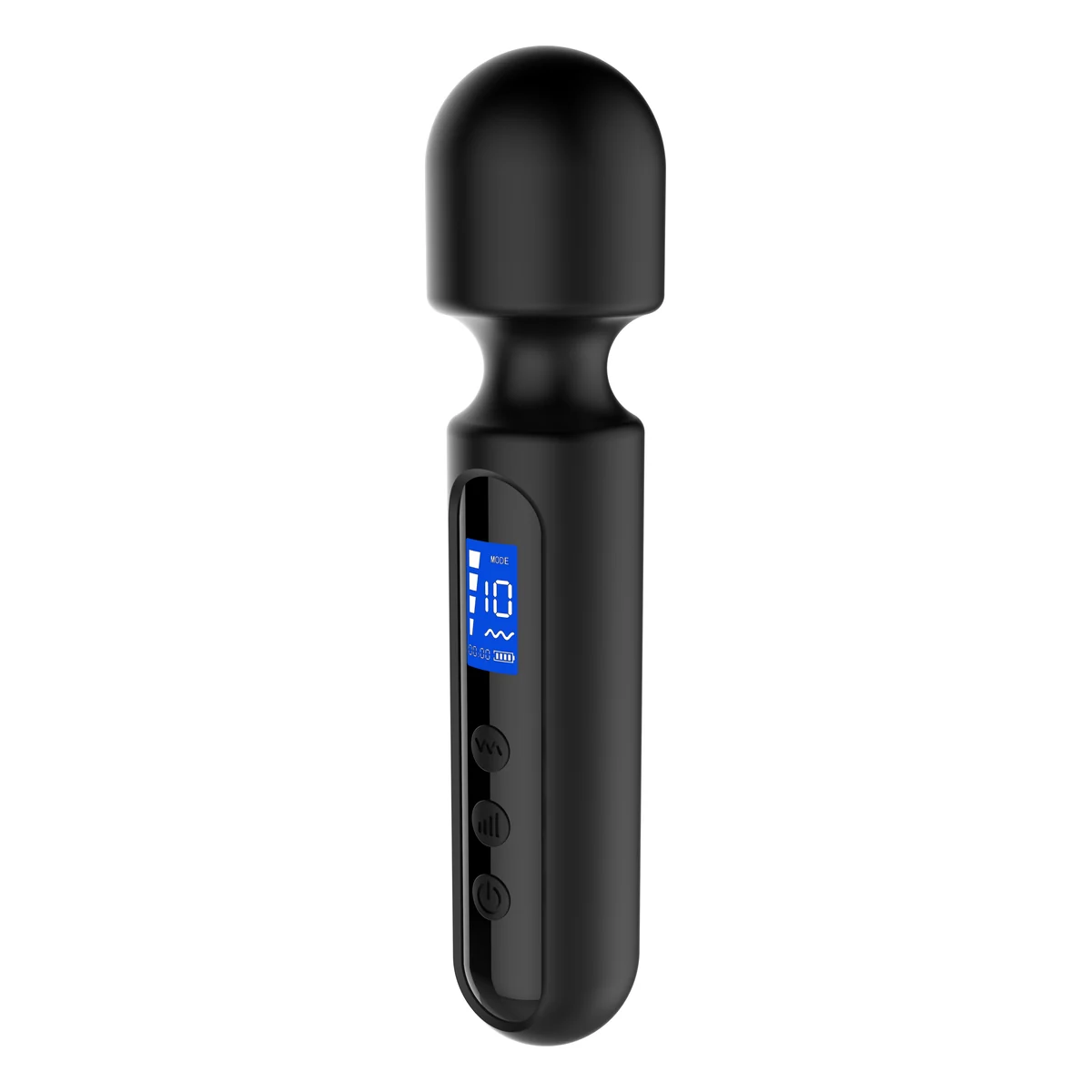
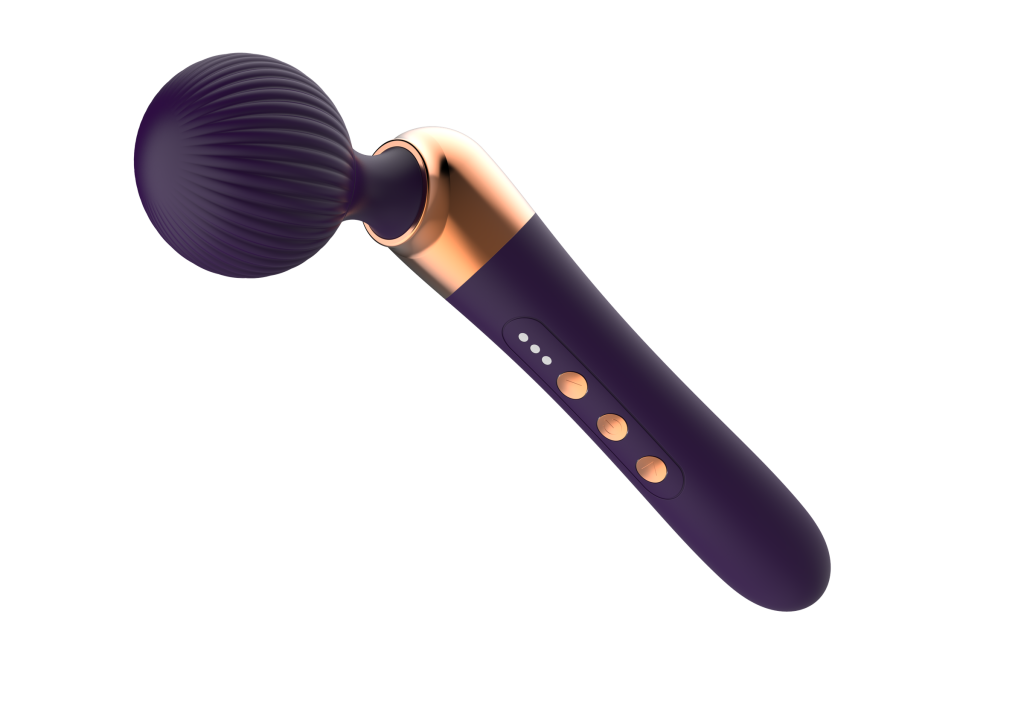
The wand vibrator collection includes smaller and larger formats. The Mini Wand Vibrator with Digital Display represents the compact direction, while the Ribbed Ball-Head Wand Massager illustrates how head texture can change contact. Those photographs show contemporary design, not pieces of the 1968 archive.
Why the shape survives
The Science Museum’s collection includes a German-made Veedee massager whose box, the museum notes, suggested there was almost nothing it could not cure. That is a delightful relic of electric-age optimism and a reminder to be wary of sweeping claims. A machine can make a sensation; it cannot be all things to all bodies. The vocabulary has changed from therapeutic wonder to “ultimate” pleasure, but the advertising temptation is familiar.
The wand’s other famous origin story needs similar care. The tale of doctors discreetly treating “hysteria” with vibrators is repeated so often that it can sound like a documented standard practice. The Wellcome Collection review argues that the evidence does not support that neat version. It is possible to acknowledge both the genuine history of mechanical massage and the later sexual uses of massage devices without inventing a continuous secret tradition between them.
This distinction makes the wand more, not less, interesting. It was a conspicuously ordinary household shape that became part of a public argument about pleasure. Unlike many gadgets that try to look futuristic, it kept looking like itself. That visual continuity lets a 1968 device and a compact rechargeable descendant appear in the same family portrait, even though the way people discuss them has changed dramatically.
The wand has lasted because its basic idea is legible. A broad head, a handle and an invitation to explore what pressure and placement feel comfortable: there is little mystery in the mechanism. The real surprise is how much culture can gather around an appliance that looks, at first glance, so resolutely ordinary.